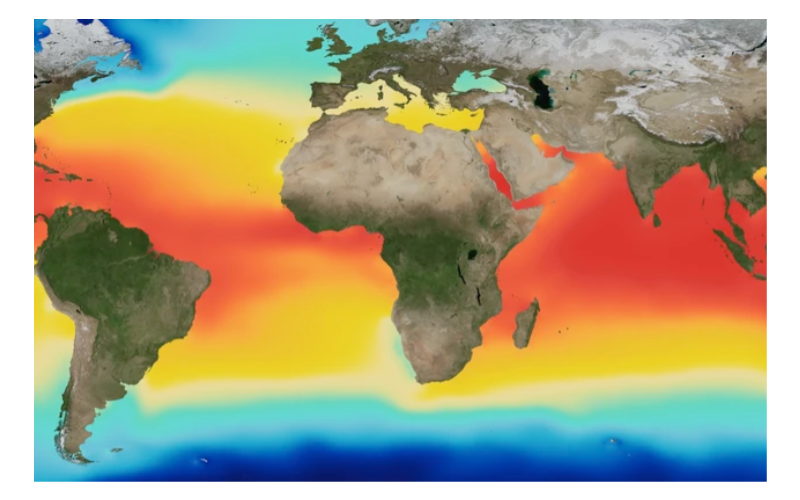
Learning the underlying physics of a simulation model of the ocean’s temperature (CIRC23)




How to run
Running locally
You may also download the notebook from GitHub to run it locally:
Open your terminal
Check your conda install with
conda --version. If you don’t have conda, install it by following these instructions (see here)Clone the repository
git clone https://github.com/eds-book-gallery/3286b92f-4fae-4cc6-a29e-e408bc844542.gitMove into the cloned repository
cd 3286b92f-4fae-4cc6-a29e-e408bc844542Create and activate your environment from the
.binder/environment.ymlfileconda env create -f .binder/environment.yml conda activate 3286b92f-4fae-4cc6-a29e-e408bc844542Launch the jupyter interface of your preference, notebook,
jupyter notebookor labjupyter lab
- Malhotra, G., Pinto Veizaga, D., Peña Velasco, J. E., & This EDS book notebook contributors. (2024). Learning the Underlying Physics of a Simulation Model of the Ocean’s Temperature (Jupyter Notebook) published in the Environmental Data Science book. Zenodo. 10.5281/ZENODO.8296922